


Not all eye concerns require the same approach. Warm eye therapy is ideal for dryness, fatigue, or blocked oil glands, as heat stimulates circulation and improves tear quality. Cold therapy works best for puffiness, tension, or migraine relief, as cooling constricts blood vessels and soothes inflammation.
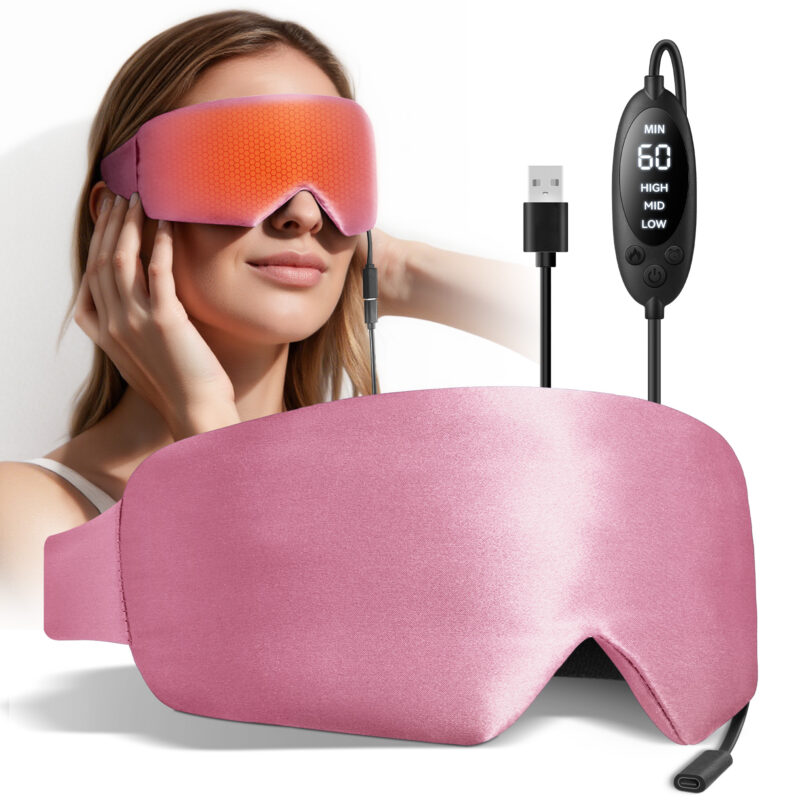
Alternating temperatures can sometimes be beneficial. For example, warming the eyes after a long workday can help relax muscles and improve comfort, while cooling the eyes in the morning may reduce puffiness and make you feel more alert. This interplay of hot and cold can improve circulation and tissue recovery around the eyes.
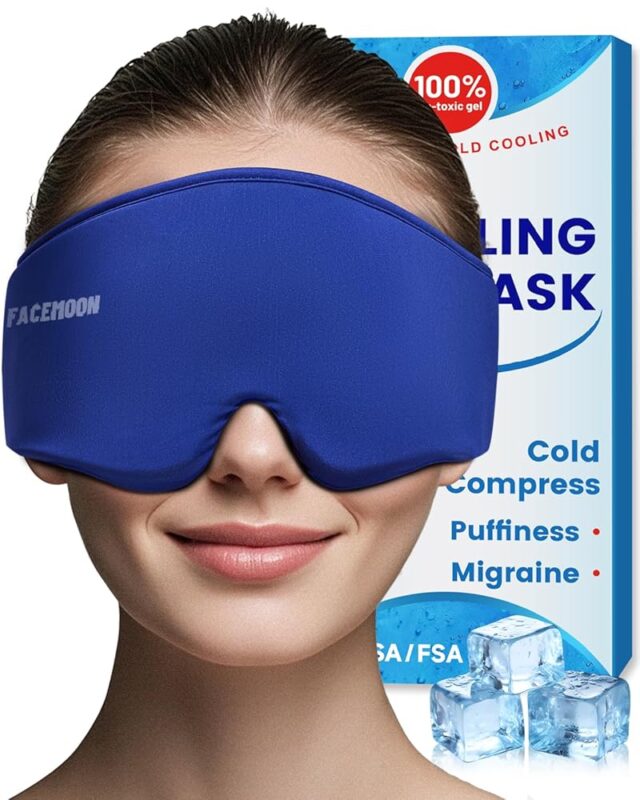
Practical application: warm masks are usually applied for 10–15 minutes to address dryness, whereas cold masks can be used 5–15 minutes for puffiness or tension relief. Always ensure that the mask is clean, at a comfortable temperature, and used in a safe environment.
Fun note: simple habits like blinking exercises, stretching, or adjusting screen height can complement both therapies, making daily eye care more effective and enjoyable. Understanding the science behind temperature therapy helps you make small, meaningful adjustments to keep your eyes comfortable.